
Group Music Channeler
What It Points To
Section titled “What It Points To”In a group, this person can turn shared feeling into sound. They are not just performing; they sense what the room needs and carry it through rhythm or voice. You’d recognize this in the person who starts one simple song on a long ride, and within a minute the tired group is breathing together.
Integration property: Brings many players into one sound with movement and presence
Card Universe
Section titled “Card Universe”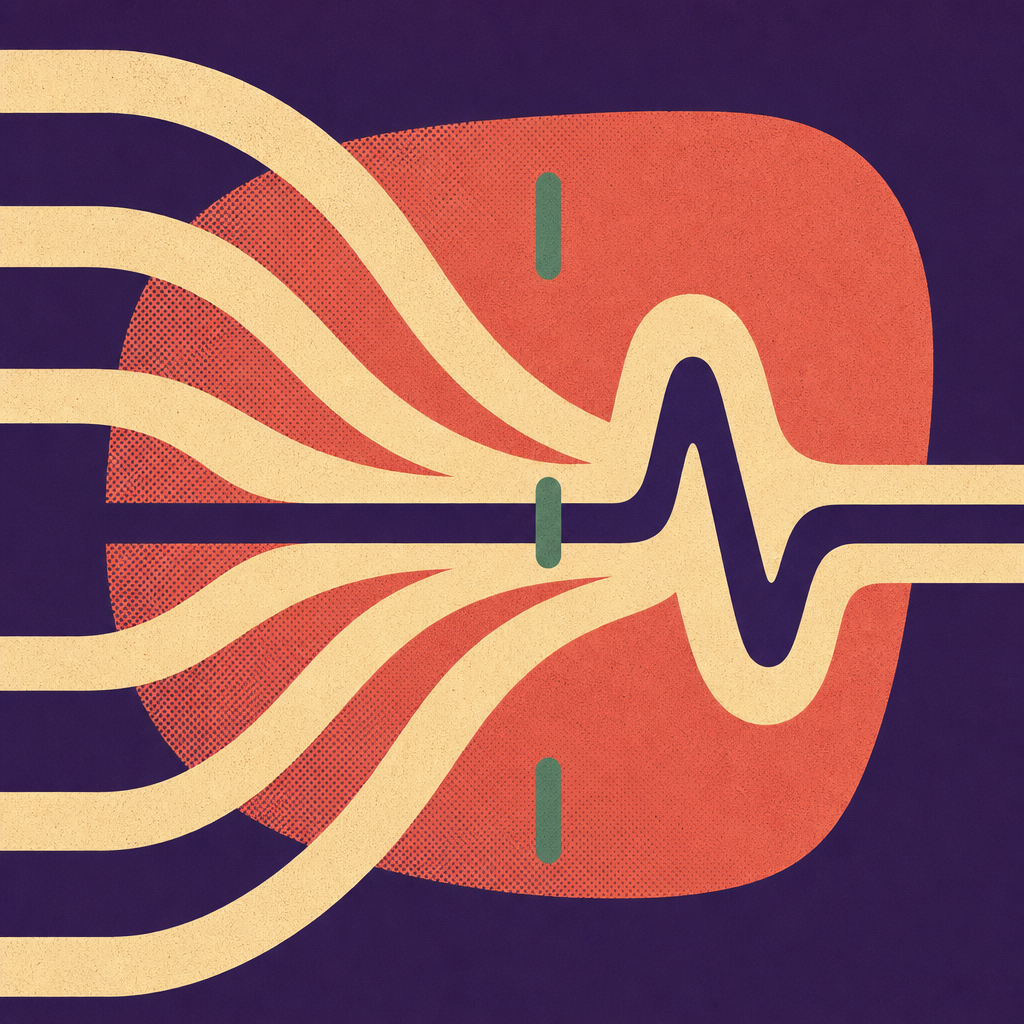
Card role: Tempo Gatherer
A compact visual role is available for this archetype.
A fuller Card Universe story has not been written yet.
Ingredients
Section titled “Ingredients”Multiple Natures (MNs)
- Administrative Nature
- Creative Nature
- Entertaining Nature
Multiple Intelligences (MIs)
- Gross Bodily Intelligence
- Interpersonal Intelligence
- Linguistic Intelligence
- Musical Intelligence
- Intrapersonal Intelligence
Active Traits
Section titled “Active Traits”
tracks rhythm and tone
high power and endurance
reads people sharply
high verbal precision
drawn to live audience response
Adjacent NatureTypes
Section titled “Adjacent NatureTypes”Where It Shows Up
Section titled “Where It Shows Up”Careers
Section titled “Careers”- Orchestral Conductor (primary) - Holds score and ensemble in mind simultaneously, shapes sound through gesture, reads musicians and audience.
- Ensemble Director (choir, band, gamelan, etc.) (primary) - Synchronizes multiple players around shared tempo and interpretation.
- Music Director (theater or opera) (primary) - Integrates ensemble with dramatic action, shapes rhythm for live performance.
- Rehearsal Coach/Accompanist (secondary) - Works one-on-one and with small groups to prepare ensemble for conducting.
- Jazz Bandleader (secondary) - Leads ensemble with gesture, cueing, and audience awareness.
- Community Music Director (secondary) - Shapes ensemble sound through real-time direction and rehearsal; orchestrates groups toward collective coherence, though smaller scale and less technical precision than symphonic conducting.
- Hold and project the harmonic and formal structure of a score (primary)
- Read ensemble blend and balance; shape through gesture (primary)
- Communicate intent verbally and through gesture in rehearsal (primary)
- Pace ensemble for dramatic or musical effect (secondary)
- Manage group energy and focus during performance (secondary)
Hobbies and activities
Section titled “Hobbies and activities”- Score study and analysis (primary)
- Attending live ensemble performances (primary)
- Playing an instrument at high level (secondary)
- Listening to recordings and comparing interpretations (secondary)
Life roles
Section titled “Life roles”- Apprentice conductor working under mentorship (primary) - Learning gesture, score study, and ensemble psychology.
- Established conductor shaping ensemble interpretation (primary) - Prime years of building ensemble sound and artistic vision.
- Master conductor mentoring younger conductors (primary) - Transmitting interpretive wisdom and conducting technique.